K–2 · Lesson draft
1. Objectives and success criteria
Model water moving into the air, forming clouds and returning as rain or snow.
I can label water moving into the air, forming cloud droplets and falling back to the ground.
The source notes below qualify what this draft can currently support.
2. Materials
No purchases required: access to the selected book(s), this page or plain paper, and a pencil or an oral/drawing response. A teacher read-aloud, shared screen or existing audio access can replace independent reading. Printing is optional.
Use only the selected sentences or short source-note paraphrases. Read-along numbers refer to Page-N clips, not printed pages. Ebook chapters/pages and supplied-extract sentence numbers are labelled separately. Do not autoplay complete clips.
Scroll sideways in the reading table for instructions and review status.
Short source notes for the teacher read-aloud
Original paraphrases of the specified TumbleBooks sources. These are not quotations. Read each short note OR its corresponding book sentences, not both. The notes count toward the 200-word reading cap.
Into the air, into clouds, back to the ground
Water from oceans, lakes and rivers evaporates into the air as water vapor. Water vapor can turn into liquid droplets in clouds. In the cold-cloud example, ice crystals grow and fall as snow. The book also describes rain in thunderstorms.
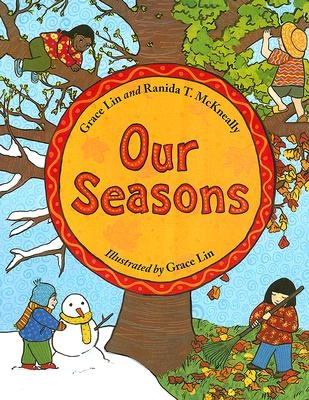
[V] Our Seasons, Book ID 6482: read-along pages 32, 14, 15 and the final rain sentence on page 24; glossary later in page 40. Read science explanations, not the poems.
Reading plan: use a teacher read-aloud of the indicated sentences, capped at 200 words; do not autoplay every selected page in full. At a planning pace of 100 words per minute this reserves two minutes for reading, 90 seconds for navigation and 90 seconds for pauses. This is an estimate, not a measured classroom reading.
[VERIFY: a five-minute selected-reading rehearsal in the actual edition, including navigation and pauses.] If a source is unavailable, omit its dependent comparison and use only a checked anchor passage. If the anchor is unavailable, use the organizer to collect questions; that fallback does not meet the source-dependent science objectives.
4. Timed steps — 18 minutes
The five-minute reading slot is for selected passages. If rehearsal exceeds it, reduce the selections to one checked example. The full read is an EXTENSION.
5. Participation options
Apply the chosen mode during the organizer, share and exit response. A listening response never requires the student to read or write; written output can be scribed.
6. Exit ticket
Explain three labelled water movements using the source.
7. Misconceptions to watch for
Water vapor is a gas; cloud droplets are liquid. Evaporation is a change, not disappearance.
This diagram combines selected examples and is not a map of every route. Do not add unsupported infiltration or snowmelt arrows.
Drinking-water treatment is separate from these natural water movements. Snow is an example, not a condition experienced everywhere.
Fact vs. figure of speech: Our Seasons includes poems with speaking weather and sticky air. Use only its explanatory prose and glossary for the water mechanisms. The lake reference uses only its runoff explanation, not imagined historical scenes.
8. Printable student page
A separate, clean organizer with space to draw or write. Students may dictate or point while someone records their response.
Open K–2 student page9. Extensions
EXTENSION: Read more of Our Seasons outside the 18-minute lesson and separate poems from scientific explanations. Do not assign 8114 to elementary students.
EXTENSION: Record safe observations of rain or a puddle. These are new observations, not evidence of events in the books. Add a new route only when a TumbleBooks source supports it.
Extensions are optional teacher-created activities. They are not evidence of events or facts in the books.
10. Source verification log
[V] = supported by reviewed source text or specifically recorded page images; [P] = partly supported or inferred; [U] = unsupported by available source material. Page verification applies only where explicitly stated. These tags do not certify playback, human review or reproduction rights.
[V] 6482 explains water evaporating from oceans, lakes and rivers into air, water vapor forming cloud droplets, snow falling and rain in thunderstorms. Its glossary defines evaporation and condensation.
[V] 8114 ebook page 81 describes rain carrying mud and sand from slopes into a lake and names runoff. This supports one route and collection example; infiltration, snowmelt and a complete map of all routes are not supplied.
[P] The model joins separately described movements as an original teaching diagram. The sources do not track one drop through every arrow. Do not describe it as a source illustration or exhaustive full-cycle coverage.
[V] Numeric reading locations in Materials were checked against the recorded page images. They certify only those selected passages, not a whole-book or audiovisual review.
[VERIFY: duration of the selected reading in the actual edition, including navigation and pauses.] The 18-minute plan is a schedule, not a measured playback claim.
Catalogue identity was cross-checked against the repository’s authenticated 7 October 2026 catalogue snapshot. A catalogue entry is not a content claim. Raw texts and page images are excluded from this site.
11. Accuracy checklist
Confirmed in this draft: No single fixed-loop-only explanation.
Confirmed in this draft: No drinking-water treatment mixed into the natural cycle.
Confirmed in this draft: No claim of exhaustive water-cycle coverage.
Confirmed in this draft: Grades 6–8 background book is never assigned to elementary pupils.
Self-audit: no invented source quotations, page numbers or timestamps; no direct source quotations are published.
Self-audit: the timed steps total 18 minutes in this version. Selected-reading duration still requires rehearsal.
Self-audit: optional activities are labelled EXTENSION; no standards codes appear in this lesson.
Changes from the requested full lesson: kept missing locators explicit; marked source gaps/inferences; used selected passages; held unsupported activities instead of filling them from memory. This is an editorial draft, not a final accuracy approval.
Change reported in this pass: added visually checked read-along locations and grade-specific reading selections; retained every unresolved locator and the reading-rehearsal requirement.
Grades 3–5 · Lesson draft
1. Objectives and success criteria
Explain evaporation, condensation, precipitation and collection, using a supported runoff example and allowing different routes.
I can explain the labelled water movements and show a runoff route into a lake without claiming every drop follows it.
The source notes below qualify what this draft can currently support.
2. Materials
No purchases required: access to the selected book(s), this page or plain paper, and a pencil or an oral/drawing response. A teacher read-aloud, shared screen or existing audio access can replace independent reading. Printing is optional.
Use only the selected sentences or short source-note paraphrases. Read-along numbers refer to Page-N clips, not printed pages. Ebook chapters/pages and supplied-extract sentence numbers are labelled separately. Do not autoplay complete clips.
Scroll sideways in the reading table for instructions and review status.
Short source notes for the teacher read-aloud
Original paraphrases of the specified TumbleBooks sources. These are not quotations. Read each short note OR its corresponding book sentences, not both. The notes count toward the 200-word reading cap.
Into the air, into clouds, back to the ground
Water from oceans, lakes and rivers evaporates into the air as water vapor. Water vapor can turn into liquid droplets in clouds. In the cold-cloud example, ice crystals grow and fall as snow. The book also describes rain in thunderstorms.
[V] Our Seasons, Book ID 6482: read-along pages 32, 14, 15 and the final rain sentence on page 24; glossary later in page 40. Read science explanations, not the poems.
One route over land — Grades 3–5 only
In the lake example, rain carries mud and sand down surrounding slopes into a lake. This is a runoff route; the lake is a place where water gathers. It is one example, not the route every drop must take.
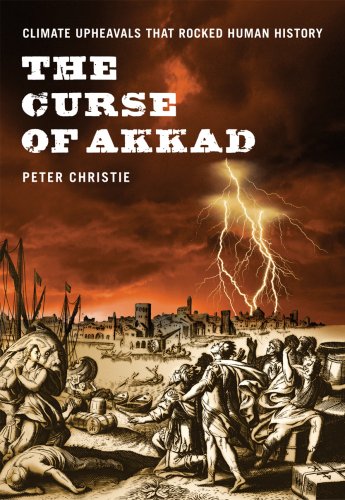
[V] The Curse of Akkad (STEM), Book ID 8114: ebook page 81, Storm Stripes, rain/mud/sand and runoff sentences only. This Grades 6–8 book is teacher background, never assigned to elementary students; use only this short paraphrase. Do not read the surrounding historical narratives.
Reading plan: use a teacher read-aloud of the indicated sentences, capped at 200 words; do not autoplay every selected page in full. At a planning pace of 100 words per minute this reserves two minutes for reading, 90 seconds for navigation and 90 seconds for pauses. This is an estimate, not a measured classroom reading.
[VERIFY: a five-minute selected-reading rehearsal in the actual edition, including navigation and pauses.] If a source is unavailable, omit its dependent comparison and use only a checked anchor passage. If the anchor is unavailable, use the organizer to collect questions; that fallback does not meet the source-dependent science objectives.
4. Timed steps — 18 minutes
The five-minute reading slot is for selected passages. If rehearsal exceeds it, reduce the selections to one checked example. The full read is an EXTENSION.
5. Participation options
Apply the chosen mode during the organizer, share and exit response. A listening response never requires the student to read or write; written output can be scribed.
6. Exit ticket
Explain four process labels and the supported runoff route; name a limit of the model.
7. Misconceptions to watch for
Water vapor is a gas; cloud droplets are liquid. Evaporation is a change, not disappearance.
This diagram combines selected examples and is not a map of every route. Do not add unsupported infiltration or snowmelt arrows.
Drinking-water treatment is separate from these natural water movements. Snow is an example, not a condition experienced everywhere.
Fact vs. figure of speech: Our Seasons includes poems with speaking weather and sticky air. Use only its explanatory prose and glossary for the water mechanisms. The lake reference uses only its runoff explanation, not imagined historical scenes.
8. Printable student page
A separate, clean organizer with space to draw or write. Students may dictate or point while someone records their response.
Open Grades 3–5 student page9. Extensions
EXTENSION: Read more of Our Seasons outside the 18-minute lesson and separate poems from scientific explanations. Do not assign 8114 to elementary students.
EXTENSION: Record safe observations of rain or a puddle. These are new observations, not evidence of events in the books. Add a new route only when a TumbleBooks source supports it.
Extensions are optional teacher-created activities. They are not evidence of events or facts in the books.
10. Source verification log
[V] = supported by reviewed source text or specifically recorded page images; [P] = partly supported or inferred; [U] = unsupported by available source material. Page verification applies only where explicitly stated. These tags do not certify playback, human review or reproduction rights.
[V] 6482 explains water evaporating from oceans, lakes and rivers into air, water vapor forming cloud droplets, snow falling and rain in thunderstorms. Its glossary defines evaporation and condensation.
[V] 8114 ebook page 81 describes rain carrying mud and sand from slopes into a lake and names runoff. This supports one route and collection example; infiltration, snowmelt and a complete map of all routes are not supplied.
[P] The model joins separately described movements as an original teaching diagram. The sources do not track one drop through every arrow. Do not describe it as a source illustration or exhaustive full-cycle coverage.
[V] Numeric reading locations in Materials were checked against the recorded page images. They certify only those selected passages, not a whole-book or audiovisual review.
[VERIFY: duration of the selected reading in the actual edition, including navigation and pauses.] The 18-minute plan is a schedule, not a measured playback claim.
Catalogue identity was cross-checked against the repository’s authenticated 7 October 2026 catalogue snapshot. A catalogue entry is not a content claim. Raw texts and page images are excluded from this site.
11. Accuracy checklist
Confirmed in this draft: No single fixed-loop-only explanation.
Confirmed in this draft: No drinking-water treatment mixed into the natural cycle.
Confirmed in this draft: No claim of exhaustive water-cycle coverage.
Confirmed in this draft: Grades 6–8 background book is never assigned to elementary pupils.
Self-audit: no invented source quotations, page numbers or timestamps; no direct source quotations are published.
Self-audit: the timed steps total 18 minutes in this version. Selected-reading duration still requires rehearsal.
Self-audit: optional activities are labelled EXTENSION; no standards codes appear in this lesson.
Changes from the requested full lesson: kept missing locators explicit; marked source gaps/inferences; used selected passages; held unsupported activities instead of filling them from memory. This is an editorial draft, not a final accuracy approval.
Change reported in this pass: added visually checked read-along locations and grade-specific reading selections; retained every unresolved locator and the reading-rehearsal requirement.