Compare Animals
Life science
What Makes an Animal Different?
Look closely, compare features, and separate a description from an animal group.
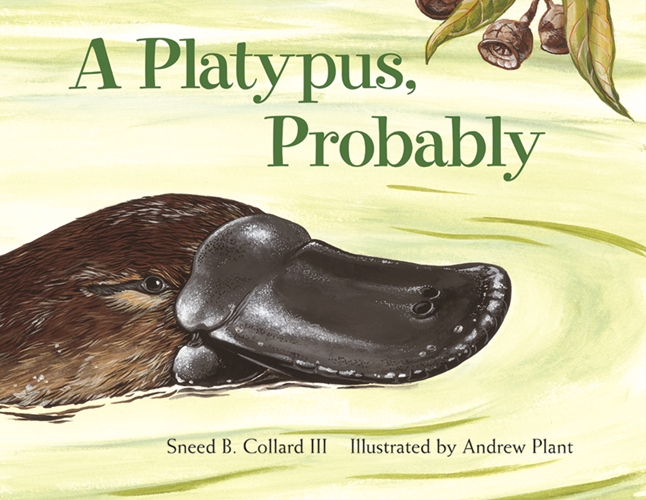
A Platypus, Probably
Topic lessons bring your text sets into one focused classroom conversation.
Choose an inquiry, open the books, and make room for students to draw, talk or write. Each topic has a K–2 and a Grades 3–5 draft, with an 18-minute teaching outline and a separate printable.
Find a topicExplore the full text setsReview the selected reading before teaching. Source notes
Choose a grade band, then a question.
Launch collection: five life science inquiries, three Earth and space inquiries, and two about the body and inventions. Physical science lessons are not yet included.
10 topic drafts
Life science
What Makes an Animal Different?
Look closely, compare features, and separate a description from an animal group.
A Platypus, Probably
Life science
How Do Animals Survive?
Connect a camouflage feature to what it does and how that helps an animal.
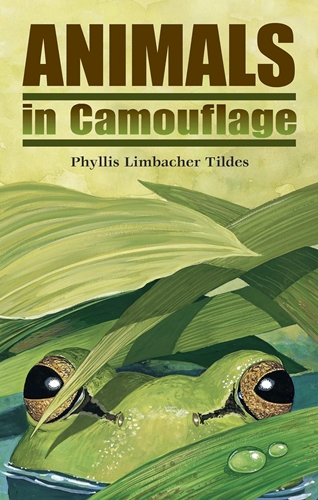
Animals in Camouflage
Life science
Who Depends on Whom in a Habitat?
Follow food and habitat connections, with a clear explanation on every arrow.
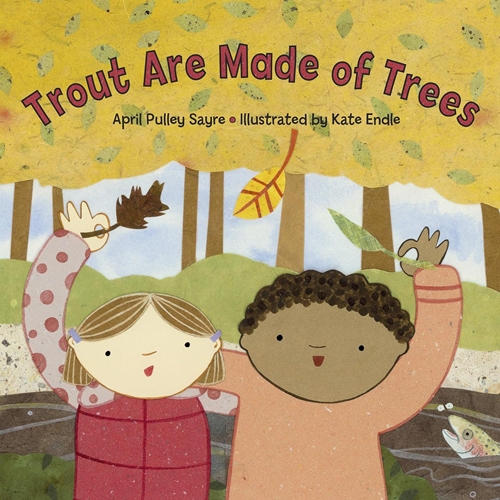
Trout Are Made of Trees
Life science
How Does a New Generation Begin?
Sequence supported stages and explain the new generation at the return arrow.
Life Cycle of a Honeybee
Life science
How Can One Seed Change a Place?
Separate the growth of a plant from the effects it has on living things around it.
Because of an Acorn
Earth & space science
What Changes Across the Seasons?
Describe today’s conditions and ask what repeated observations can tell us.
Our Seasons
Earth & space science
Where Does Water Go?
Follow verified water movements between a body of water, the air, clouds and land.
Selected water passages from Our Seasons; Grades 3–5 also uses teacher background.
Earth & space science
Why Does It Look Different?
Order visible Moon shapes and distinguish phases from an eclipse.
Faces of the Moon
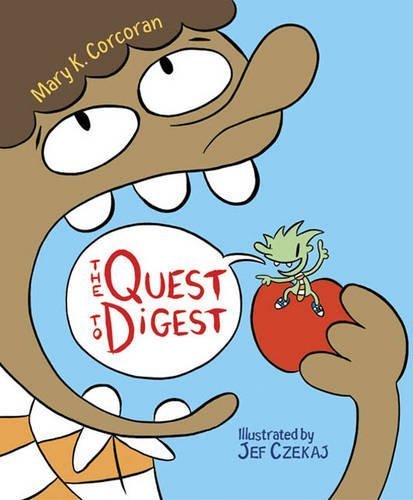
Human body & invention
What Happens to the Food We Eat?
Follow food through several organs, separating digestion, absorption and waste.
The Quest to Digest (STEM)
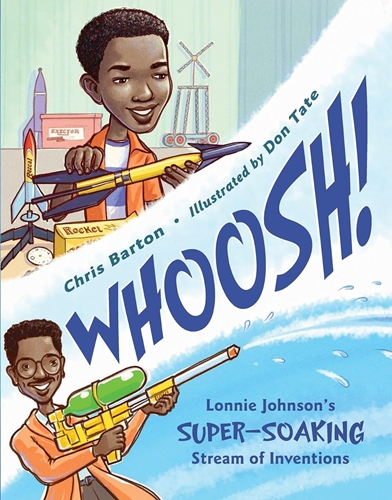
Human body & invention
How Does an Idea Become Something That Works?
Use verified episodes to separate an unexpected idea from testing and revision.
Whoosh!: Lonnie Johnson's Super-Soaking Stream of Inventions
Try another book or topic, choose All subjects, or clear your filters.
Read together. Selected passages keep the conversation focused. Full read-alongs belong in an optional extension when time is tight.
Respond your way. Work independently, with support, or by listening. Drawing, oral and written responses each have a place.
Keep evidence visible. Teacher notes distinguish verified details, inferences and questions still to check.
Every topic is a draft for teacher review. Selected TumbleBooks passages and reading locations have been checked. Review the reading, timing and suitability for your class before teaching.
Within each lesson, [V] marks supported source details, [P] marks partial support or an inference, and [U] marks an unsupported detail. [VERIFY] identifies a remaining check. These labels describe the evidence for a detail, not a different approval level for the lesson. Each version includes its own source verification log.
Observe Weather uses seasonal scenes from Our Seasons and selected snow explanations from The Story of Snow. Trace Water uses selected nonfiction explanations in Our Seasons (Book ID 6482), including read-along pages 32, 14, 15, 24 and the page-40 glossary. The shared cover represents the same book, used for different purposes.
For Grades 3–5 only, a short original runoff paraphrase draws on ebook page 81 of The Curse of Akkad (STEM) (Book ID 8114). That book is catalogued for Grades 6–8 and is teacher background only; do not assign or play the whole book to elementary students. K–2 omits it. Trace Water models selected movements and different routes; it does not claim exhaustive water-cycle coverage.
Standards mapping is not included in these generic science and literacy drafts. Review each lesson’s objectives against your local science and ELA standards. No NGSS or state alignment has been verified for these topic lessons.
Use the selected passages to fit the five-minute reading slot; rehearse navigation and pauses. Full books are optional extensions. Book links require TumbleBookLibrary access. Where a source is unavailable, use the fallback in the lesson’s Materials section. Videos are not included in this launch.